Feeding your dog the right diet can help keep them healthy for years to come. The right amount of food is equally important, as it plays a key role in maintaining a healthy weight. It’s very easy to overfeed a dog and this will play a part in their overall health and wellbeing in the future.
What is the best diet for dogs?
Unfortunately, there’s no one answer to this, as the ‘right’ diet varies depending on your dog’s needs. Dogs are omnivores, so have the ability to digest both meat and vegetables. Therefore they need a balanced diet of proteins, fats, fibre, minerals and vitamins. High-quality dog food is always better than a cheap, low-quality alternative.
Is wet or dry food best for dogs?
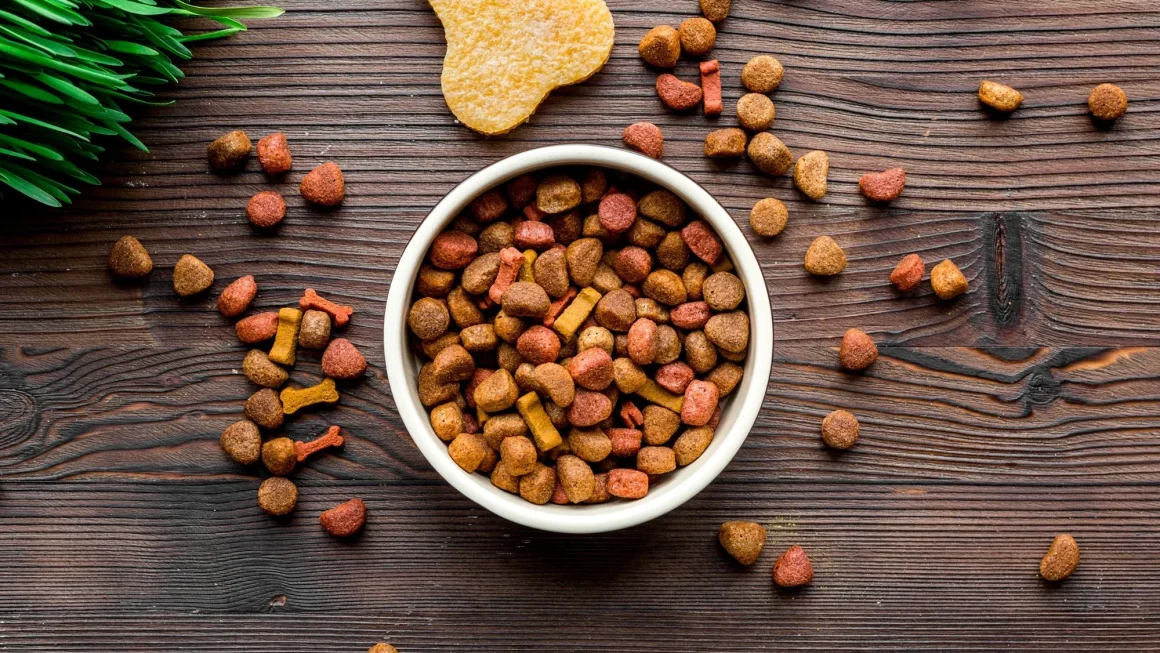
There are various types of dog food available, but dry food described as ‘complete’ is usually the best option. These contain all the nutrients your dog needs in a convenient form that’s easy to store. They’re also much better for your dog’s dental health than wet food as they help remove plaque and tartar from the teeth. Dry food also contains much less water and a higher concentration of nutrients, meaning you don’t need to feed them as much.
Wet food is also easier to eat for dogs who are recovering from injury or operation and can be beneficial for animals with certain illnesses.
Many owners opt for a mix of both as lots of dogs are partial to wet food, even if they do sometimes get themselves into a bit of a mess.
How to choose the right food for your dog
Whichever type you choose, always look at the ingredients list. These are listed proportionally, and as a general rule, meat should be the first ingredient as it’s the best protein for your dog’s body. Avoid foods that use broad terms such as ‘animal derivative’, ‘meal’ or ‘cereals’ in their first few ingredients as these generally indicate a lower quality food.
Your vet or nurse is able to offer tailored advice about your dog’s diet; they will take into account their age, lifestyle, and any existing health conditions.