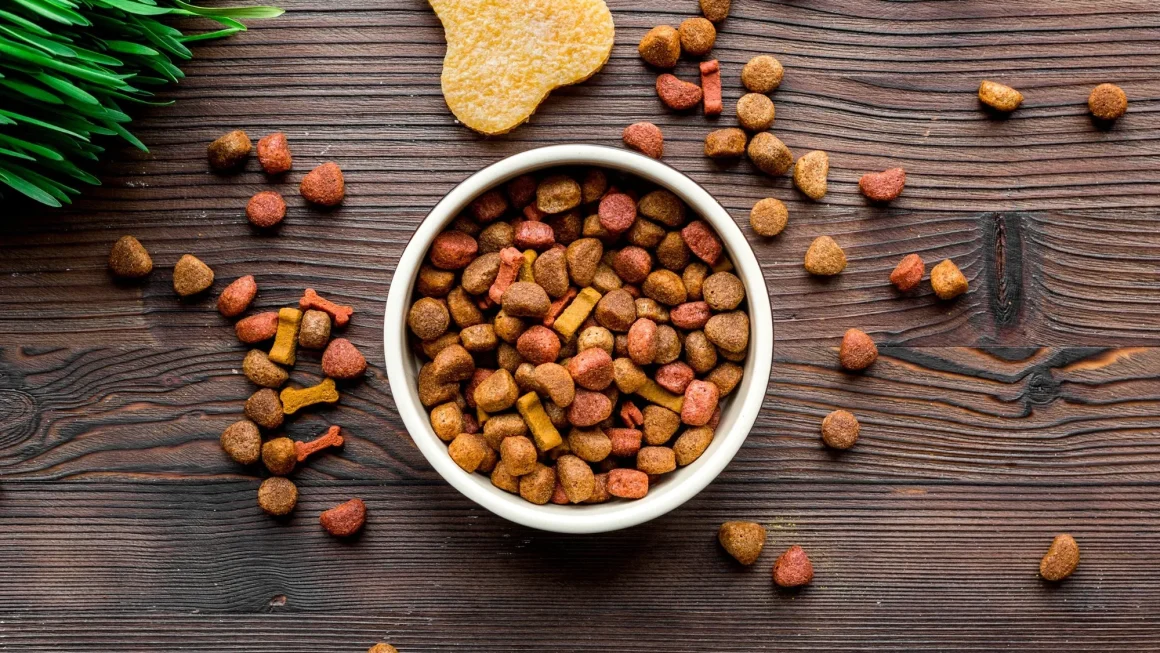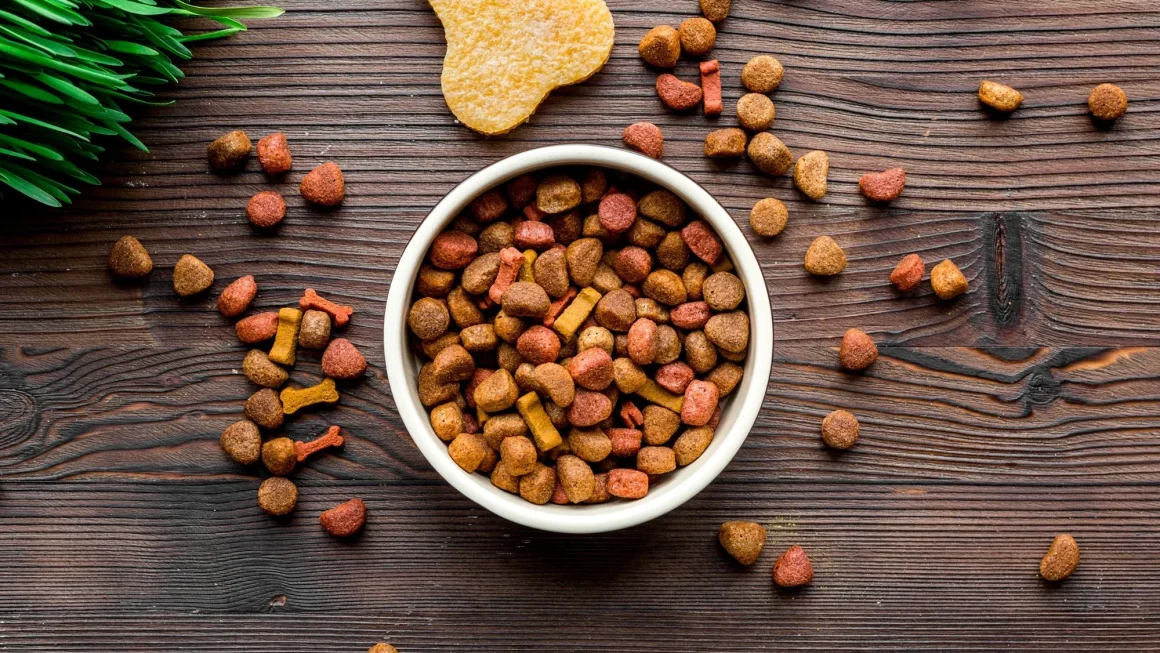

We’re inundated with different types of pet food: kibble, raw, freeze-dried, grain-free, pâté, and more. The choices can be overwhelming, and they often look anything but appetizing. And when our social feeds advertise “fresh pet food,” it’s natural to want to know more about these pre-cooked concoctions of real meat and vegetables that ship directly to our doors.
Unlike traditional kibble pet food, fresh pet food resembles those pricey, “chunky” varieties of canned food. It has fewer or no preservatives, and it is kept in the fridge, to maintain freshness between servings. Fresh pet food is certainly more appealing in name, but we were curious about whether it was actually a more healthful option for dogs and cats. To find out more about fresh pet food diets, I spoke with Dr. Lindsey Bullen, a board-certified veterinary nutritionist who works with the Veterinary Specialty Hospital of the Carolinas. Bullen has consulted with pet food companies before, but not with any of the services we mention below. I also priced some of the trendiest options for fresh dog food subscriptions, using a fictional 70-pound, 2-year-old golden retriever—one of the country’s most popular dog breeds, according to the American Kennel Club.
What is fresh pet food, exactly?
Fresh pet food brands like Freshpet—found in the fridge in your local pet store—helped commercialize fresh options for pet owners. Today, there are dozens of brands out there, and many are available as subscription services that function the same way: You create a dog profile, complete a questionnaire, customize your delivery frequency, and voilà! Next thing you know, freshly made pet food arrives at your door packed in dry ice.
In my research, I found more than a dozen companies that market fresh pet food diets for cats and dogs, and their cooking methodologies, ingredients, and storage recommendations vary widely. According to Bullen, the term “fresh pet food” doesn’t really have a specific definition—it just refers to pet food that’s made with fewer or no preservatives. It could be made at home with boiled chicken and cooked plain rice, or it could be produced with recognizable ingredients in a facility, packaged without preservatives, and then frozen. For the brands we list here, we researched those that offer food that’s commercially produced and thoroughly cooked at a low temperature, and that contain some combination of meats, grains, fruits, and vegetables—it tends to look like you took a human’s Thanksgiving dinner plate and mixed it all together.